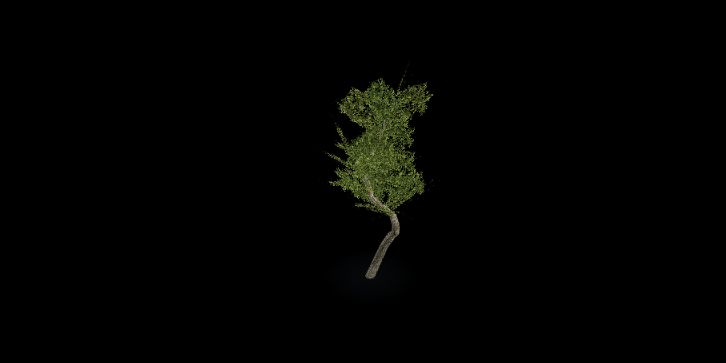
SELECT / GROVE STRUCTURE
Mansion Tree
Asymmetric olive canopy. Repeat in small groves to make the garden feel grown, with glimpses through its trunks.
Asymmetric olive canopy. Repeat in small groves to make the garden feel grown, with glimpses through its trunks.

One sculptural white canopy becomes a destination. Repetition would dilute the reveal.
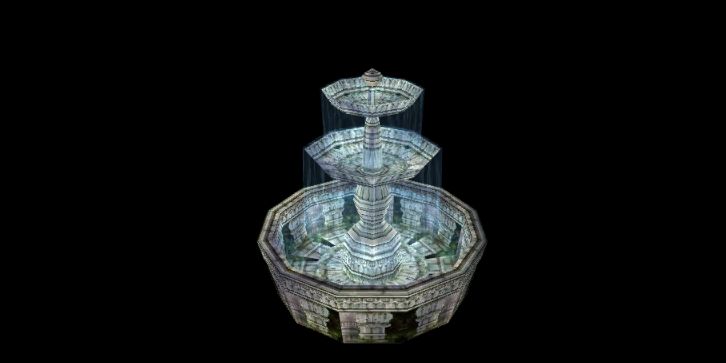
Weathered stone and a slender silhouette already suit the house. Improve the framing, rather than replace a good object.
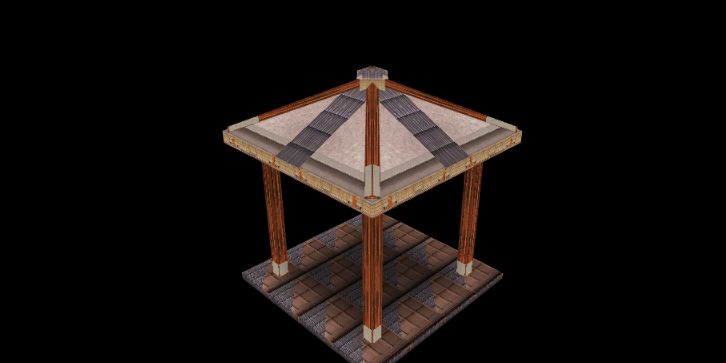
Dark timber and a quiet cream roof. Native placement reserves the entire footprint: leave the shelter open inside.
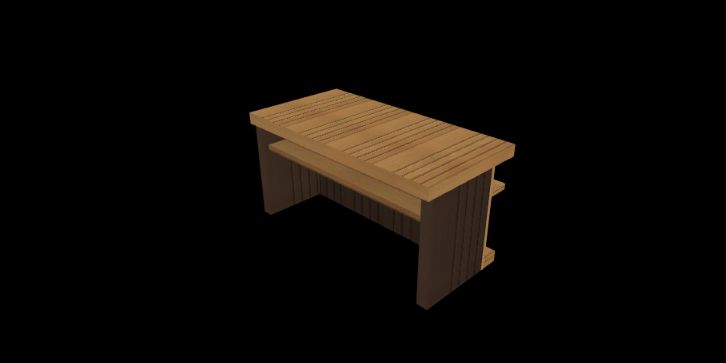
Morning coffee gives the garden a reason to linger. Supports one coffee kit; stools remain on the ground.
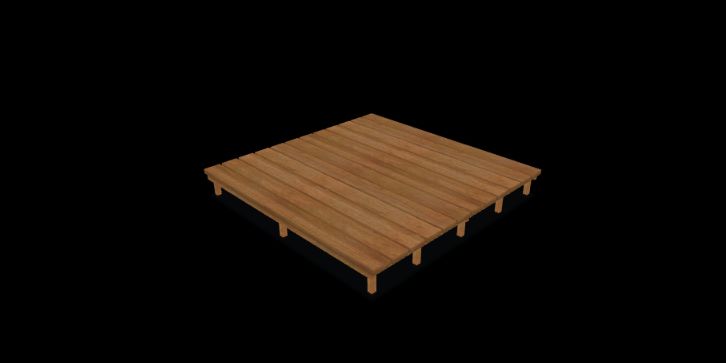
Warm, low-contrast planks. Use to define a small terrace, not to carpet every route or force extra stacking.
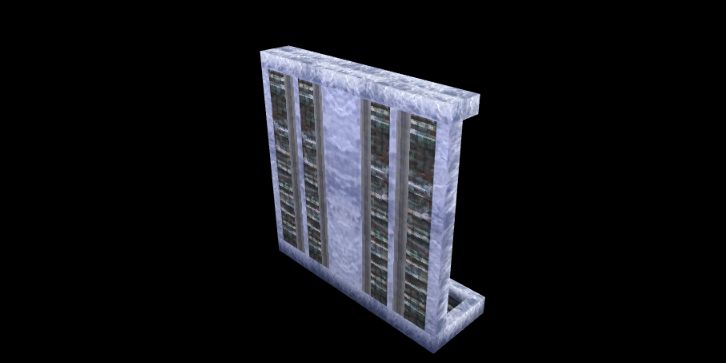
Strong architecture in isolation, but icy marble would compete with the softer cream, timber and olive palette.
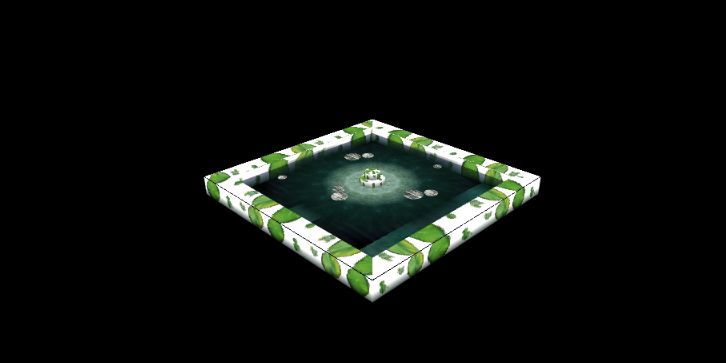
The bright ivy-pattern edge pulls toward an ornamental theme garden. Remove it and give the fountain more attention.
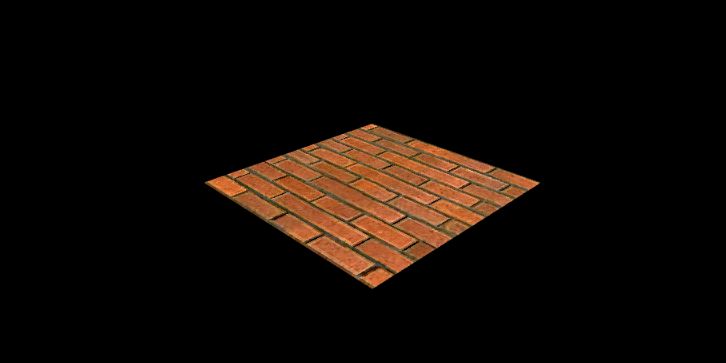
Rust orange and a strongly repeated pattern add another dominant surface. Avoid turning the estate into a paved grid.

Neutral in color, busy up close. Useful in a compact court if its texture stays subordinate to planting.
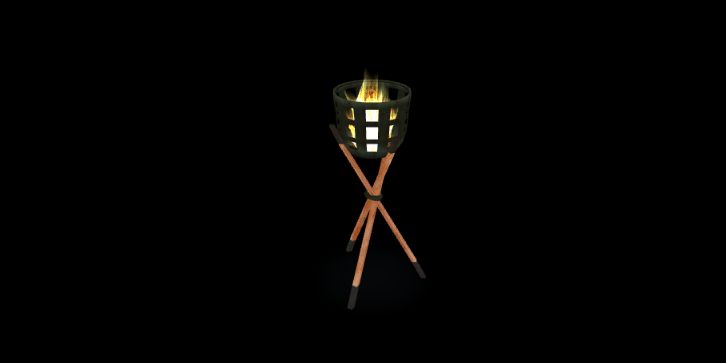
The catalog’s warm outdoor alternative: a small iron brazier on crossed timber. Use one or two near evening seats.

Petal scatter is delicate, but introduces a second blossom color. The white cherry already supplies the seasonal moment.
Study criteria: silhouette, material restraint, planting mass, human-scale destination, native footprint and support rules. Every occupied object still counts toward the combined 200-piece allowance.